A scooter charges overnight in a bike room. A drill battery sits on a maintenance-shop bench. A tenant runs an e-bike off an extension cord in the garage. None of it looks like a fire risk on a walkthrough, and every bit of it is.
Here’s the part worth internalizing. This isn’t a fire problem that leaves smoke behind. It’s a chemistry problem that happened to involve fire. The residue corrodes metal, electronics and HVAC components within days, so when the fire department hands back the keys, the loss is still growing.
That’s why commercial fire damage restoration Tampa FL property managers arrange after a battery incident looks nothing like a standard smoke cleanup, and why the buildings that take a second, larger loss are usually the ones that cleaned fastest. Below: why these fires are multiplying here, what the residue is, and the question to ask before anyone touches a surface.
A Regional Pattern, Not a Freak Event:
Hillsborough County Solid Waste has recorded roughly 30 battery-caused truck fires in three years, and launched a Fire Prevention & Battery Recovery Campaign with County Fire Rescue in October 2025. South Sarasota County has had its own suspected battery fire in a recycling truck.
Crews call them “hot loads,” and the trucks are the visible version. The Tampa fire damage restoration calls that follow start in garages, storage rooms, breakrooms and bike rooms, and share a short list of causes:
- Extension cords and power strips instead of a wall receptacle
- Aftermarket chargers mismatched to the pack
- Devices charging unattended overnight, when nobody notices a hiss or bulge
Why the Smoke Is the Actual Loss:
Lithium-ion cells run on an electrolyte built around lithium hexafluorophosphate, a fluorine-bearing salt, and thermal runaway vents that use chemistry as gas. Testing across seven commercial cell types, published in Scientific Reports, measured hydrogen fluoride at 20 to 200 mg per watt-hour of battery capacity. For scale, the IDLH threshold for HF is 30 ppm. Those gases cool and condense on every surface they reach. What settles isn’t carbon soot. It’s an acidic fluoride residue that etches glass, pits metal, and attacks copper wingdings and circuit boards in rooms the flames never entered. Wood soot gives you weeks of grace; this gives you days.
So smoke damage restoration Tampa FL work is scoped chemically, not visually. The room that looks fine may be the one losing its electronics.
Ask What Residue Type They Logged:
ANSI/IICRC S700, the consensus standard for fire and smoke restoration, requires residues to be classified before cleaning, because classification drives chemistry. Its familiar categories are dry smoke, wet smoke, protein and fuel-oil soot, and the greasy ones are worked with alkaline chemistry. A battery leaves an acidic residue.
Reach for the standard degreaser reflex and you’ve used the wrong chemistry, which S700 warns can permanently set residue into the substrate. A cleanable wall becomes a replaceable one. So ask two things before work starts. What residue type did you classify, and is it in the field log? And is the lead technician Fort-certified? Carriers treat these standards as the professional standard of care, so the answers matter to your claim too.
The Clock Isn’t Yours to Set:
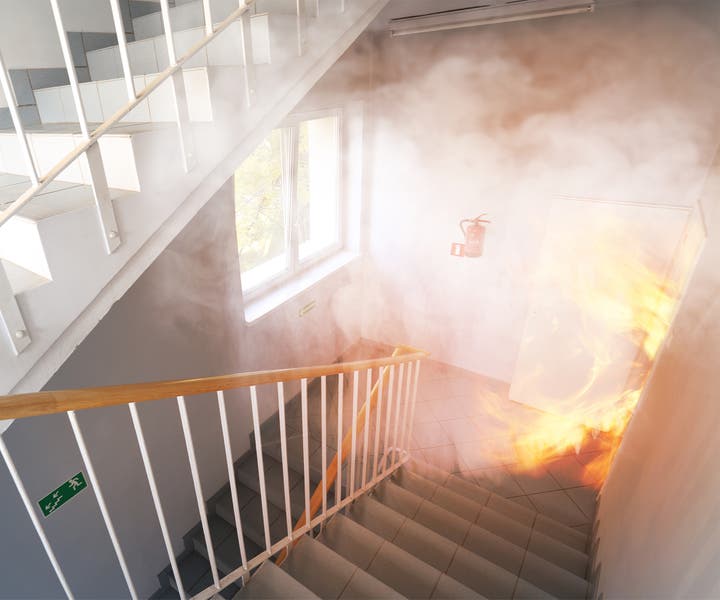
Two things override your schedule. Thermal runaway is self-sustaining and needs no outside oxygen, so a pack can hold stranded energy and re-heat hours or days after the flames are out. Crews cool and monitor rather than declare it over. Then containment: HEPA containment goes up before anyone moves air, because running the HVAC just redistributes the plume. Photograph, restrict access, touch nothing. Competent fire damage cleanup Tampa crews would rather arrive at an untouched loss.
What a Professional Response Covers:
Surface-specific cleaning, since what works on sealed concrete destroys anodized aluminum. HVAC assessment, which has its own standard in ANSI/IICRC S590. Deodorization at the source rather than masking. And electronics and contents evaluation, on-site or by pack-out.
That last one is where property restoration Tampa managers recover the most value: electronics that look untouched are often the largest salvageable item on the claim. The fire restoration Tampa properties need here is decontamination, not cleaning.
Storm Season Raises the Odds. Prevention Is Cheap:
Outage charging concentrates the risk: devices topped up on generators in garages, unattended. Water-exposed packs are their own hazard, since moisture intrusion triggers thermal runaway. A flooded scooter battery can fail days after the water recedes, which is where water and fire restoration Tampa buildings need to stop being two conversations.
The controls cost nothing:
- Manufacturer-approved chargers only, never aftermarket
- Nothing charging in exit paths, stairwells or against combustibles, and nothing unattended overnight
- A designated charging area away from occupied space, on proper receptacles
- Staff trained on the warning signs: bulging, heat, odor, hissing
- Proper disposal: tape terminals, bag each battery separately, use a county drop-off
On policy: many operators are writing device-charging rules into leases and handbooks. That’s a question for your counsel, but the buildings handling this well decided before an incident.
FAQs:
Q1. Can we clean it ourselves if the fire was small?
No. The residue is acidic and the wrong chemistry sets it permanently. Scope follows where smoke traveled, not flame.
Q2. Will insurance treat this differently?
Coverage varies. Document the ignition source and get residue classification early.
Q3. Can tenants and staff stay in the building?
That depends on where the plume traveled and whether containment holds, not on visible damage. The assessment decides, and adjacent units often need testing before reoccupancy.
Q4. A battery got wet but never burned. Now what?
Isolate it outdoors, away from structures, and arrange disposal. Water intrusion can trigger delayed failure.
Final Thoughts:
Battery fires are a small-ignition, wide-contamination event: the flame stays in one device while the loss covers a floor.
Treat the first 48 hours as containment, not cleaning. Restrict access, leave the residue alone, and ask any disaster restoration Tampa contractor what residue type they logged before they open a bottle of anything. The loss grows while everyone decides.